
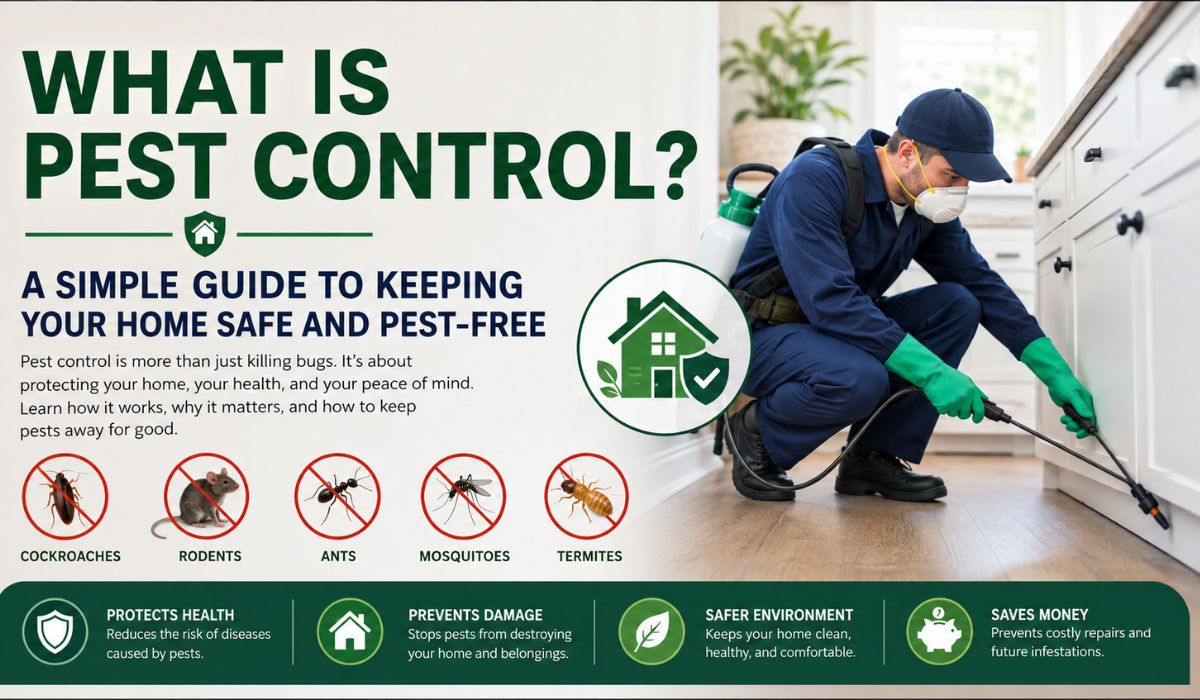
Pest Control is something most people only think about when they see insects crawling in the kitchen or hear scratching sounds in the walls at night. However, Pest Control is much more than just removing bugs or rodents. It is a complete system of prevention, management, and elimination of unwanted organisms that can harm human health, damage property, and disturb daily life. In 2026, with increasing urban living and warmer climates in many regions, Pest Control has become more important than ever for maintaining safe and hygienic homes.
Pests such as cockroaches, ants, mosquitoes, termites, rats, and bed bugs are not just annoying; they can also spread diseases and cause serious structural damage. This is why modern Pest Control focuses not only on killing pests but also on understanding why they appear and how to prevent them from coming back. This article will guide you step-by-step through everything you need to know about Pest Control in a simple and practical way.
Quick Bio Information
Pest Control protects homes from insects, rodents, and harmful organisms
Pest Control helps reduce disease transmission in living environments
Pest Control prevents structural damage caused by termites and rodents
Pest Control includes physical, chemical, and biological methods
Pest Control focuses on both elimination and prevention strategies
Pest Control is essential for maintaining hygienic kitchens and food safety
Pest Control services are used in residential, commercial, and industrial spaces
Pest Control helps reduce allergies caused by insects and droppings
Pest Control improves overall indoor air quality and cleanliness
Pest Control supports safe storage of food and water supplies
Pest Control reduces long-term repair costs in buildings
Pest Control includes modern eco-friendly approaches
Pest Control uses Integrated Pest Management for sustainable results
Pest Control helps control mosquito breeding in stagnant water areas
Pest Control protects electrical systems from rodent damage
Pest Control prevents contamination of stored grains and groceries
Pest Control improves sleep quality by removing bed bugs
Pest Control helps maintain clean public health standards
Pest Control reduces reliance on harmful chemical sprays
Pest Control is a key part of modern home maintenance systems
What Pest Control Means In Simple Terms
Pest Control refers to the process of managing and removing unwanted pests from homes, buildings, farms, and public spaces. These pests include insects, rodents, and other organisms that interfere with human life. The goal of Pest Control is not only to eliminate pests but also to create an environment where they cannot easily survive or reproduce.
In simple words, Pest Control is about protecting your living space from harmful creatures that invade food, damage furniture, spread diseases, and create discomfort. It includes different techniques such as cleaning, sealing entry points, using traps, applying safe chemicals, and using natural biological methods.
Common Household Pests You Should Know
Household pests come in many forms, and each type behaves differently. Some of the most common ones include cockroaches that hide in dark corners and spread bacteria, ants that invade kitchens in search of sugar and food crumbs, and mosquitoes that breed in standing water and can spread serious diseases. Termites are another major concern because they silently destroy wooden structures, often without being noticed until the damage becomes severe.
Rodents like rats and mice are also dangerous pests because they chew wires, contaminate food, and spread harmful pathogens. Bed bugs are small insects that hide in mattresses and bite humans during sleep, causing irritation and discomfort. Understanding these pests is the first step toward effective Pest Control because each pest requires a different strategy for removal.
How Pests Enter Homes Without Being Noticed
Most people are surprised to learn how easily pests enter homes. Small cracks in walls, gaps under doors, broken window screens, and open drainage systems can all become entry points. Pests are extremely adaptable and can squeeze through very small spaces, making it difficult to completely block them without proper sealing.
Food sources also attract pests inside homes. Leftover food, uncovered containers, and even tiny crumbs on kitchen surfaces can invite ants and cockroaches. Moist environments such as leaking pipes and damp bathrooms also attract insects like silverfish and mosquitoes. Once inside, pests find hiding places in dark, warm areas such as behind appliances, inside cabinets, and under sinks.
Why Pest Control Is Important For Health And Safety
Pest Control plays a major role in protecting human health. Many pests carry harmful bacteria and viruses that can spread diseases. For example, mosquitoes are known for transmitting diseases like dengue and malaria, while rodents can spread infections such as salmonella. Cockroaches can contaminate food and surfaces simply by moving across them.
Beyond diseases, pests can also trigger allergies and skin reactions. Bed bug bites often cause itching and discomfort, while dust and droppings from pests can worsen respiratory problems. By controlling pests effectively, you reduce these health risks and create a safer living environment for your family.
Types Of Pest Control Methods Used Today
Modern Pest Control uses a combination of methods to achieve better and safer results. Physical Pest Control involves using traps, barriers, and sealing entry points to stop pests from entering or moving freely. This method is often used in homes as a first line of defense because it is simple and chemical-free.
Chemical Pest Control uses specially designed pesticides such as insecticides and rodenticides. These chemicals are effective in eliminating large infestations but must be used carefully to avoid harm to humans and pets. Biological Pest Control uses natural predators or microorganisms to control pest populations, such as using bacteria to kill larvae or encouraging natural predators like birds or insects to reduce pest numbers.
Understanding Integrated Pest Management In Modern Homes
Integrated Pest Management, often called IPM, is considered one of the most effective and sustainable Pest Control approaches. Instead of relying on chemicals alone, IPM focuses on long-term prevention and careful monitoring of pest activity. It combines multiple strategies such as sanitation, inspection, physical barriers, and minimal chemical use when necessary.
The main idea of IPM is prevention first. Homes are regularly checked for signs of pests, and conditions that attract pests are removed. Chemical treatments are only used when absolutely necessary. This method is widely used in modern Pest Control because it reduces environmental impact and provides long-lasting results.
Warning Signs That Indicate A Pest Problem
Recognizing early signs of pest infestation can prevent serious damage later. One of the most common signs is seeing live pests during the day or night. Droppings in kitchen drawers, cupboards, or corners are also clear indicators of infestation. Strange smells or unusual sounds inside walls or ceilings may suggest hidden rodent activity.
Damaged furniture, holes in food packaging, and bite marks on skin can also indicate pest problems. In many cases, pests multiply quickly, so even a small sign should not be ignored. Early detection makes Pest Control easier, faster, and more effective.
DIY Pest Control Methods For Small Problems
For minor pest issues, many homeowners try DIY Pest Control methods before calling professionals. Simple steps like cleaning kitchen surfaces regularly, removing garbage daily, and storing food in sealed containers can significantly reduce pest activity. Using natural repellents such as vinegar, lemon, or essential oils may also help keep insects away.
Sticky traps and basic baits can control small infestations of ants or flies. However, DIY methods are usually effective only for minor problems. If the infestation spreads or returns frequently, professional Pest Control services are often required for complete elimination.
When Professional Pest Control Becomes Necessary
Professional Pest Control services are needed when infestations become large or difficult to manage. For example, termite infestations require expert treatment because they can damage the structure of a home silently over time. Rodent infestations also require professional intervention because they are difficult to fully eliminate using simple traps.
Professionals use advanced tools, safe chemicals, and targeted methods to ensure pests are removed completely. They also inspect the property to identify hidden problem areas and prevent future infestations. Hiring experts ensures long-term protection and peace of mind.
Prevention Tips For A Pest-Free Home
Preventing pests is always better than dealing with an infestation. Keeping your home clean and dry is one of the most effective ways to avoid pests. Sealing cracks in walls, repairing leaks, and installing screens on windows can significantly reduce entry points.
Proper food storage is also essential. All food items should be kept in sealed containers, and leftovers should not be left exposed. Regular cleaning of kitchens, bathrooms, and storage areas helps remove conditions that attract pests. Waste should be disposed of daily to avoid creating breeding grounds.
Environmental Impact Of Pest Control Today
Modern Pest Control is not only about eliminating pests but also about protecting the environment. Overuse of chemicals in the past caused harm to beneficial insects and ecosystems. Today, eco-friendly Pest Control methods are becoming more popular because they focus on reducing chemical usage.
Integrated Pest Management plays a key role in this shift by combining natural and minimal chemical methods. This ensures that Pest Control remains effective while reducing harm to the environment and non-target species.
Conclusion: Building A Safer Home Through Smart Pest Control
Pest Control is an essential part of maintaining a healthy and safe home. It is not just about removing pests when they appear but about understanding their behavior, preventing their entry, and using the right methods to control them effectively. From simple cleaning habits to advanced professional treatments, every step plays a role in keeping your home pest-free.
By applying proper Pest Control practices and staying alert to early signs of infestation, you can protect your home, health, and environment. A clean and well-maintained home is the strongest defense against pests, and with the right knowledge, anyone can achieve it.
FAQs About Pest Control
What Is Pest Control In Simple Words
Pest Control is the process of removing and preventing pests like insects and rodents from entering and damaging homes or buildings.
Why Is Pest Control Important For Homes
Pest Control is important because it protects health, prevents diseases, and avoids damage to property caused by pests.
What Are The Most Common Household Pests
Common pests include cockroaches, ants, mosquitoes, termites, rats, mice, and bed bugs.
How Often Should Pest Control Be Done
Pest Control frequency depends on location and infestation risk, but most homes benefit from regular preventive treatment once or twice a year.
Is DIY Pest Control Effective
DIY Pest Control works for small problems, but professional services are needed for large or recurring infestations.
What Is The Safest Pest Control Method
Integrated Pest Management is considered the safest because it uses prevention and minimal chemicals.
Can Pest Control Harm Pets
Some chemical treatments can affect pets if misused, but professional Pest Control companies use safe and controlled methods.
How Can I Prevent Pests Naturally
Keeping your home clean, sealing entry points, and storing food properly are the most effective natural prevention methods.
Recommended For You: Elden Ring Stuttering Fix: What Changed And How To Improve Performance